Keep the design simple.
There is a difference between artwork that looks good on a computer screen and artwork that works on a small product. Start with the element that matters most: your logo, campaign name or short instruction.
Give the design room to breathe. A clear mark and a few useful words can be more effective visually than trying to fit a whole poster onto the lid.
Already have artwork? Start there.
Send the original logo or campaign file if you have it. A vector PDF, SVG or EPS gives us a useful starting point; a clear image can help us understand the idea if the original file is not available.
You can also enquire before the design is ready. Tell us the message, intended audience and any brand requirements. We will discuss what needs to be prepared for a print layout.
From a brief to an approved design.
- Brief
share your quantity, artwork, delivery location and target date.
- Quote
agree the product and printing options for the order.
- Artwork
review the proposed layout and the confirmed print area.
- Approval
check spelling, logos, colours and placement before production is authorised.
What about QR codes?
A QR code can connect a printed item with campaign information, but it needs enough clear space and contrast to scan reliably. If you are considering one, include the destination link in your enquiry so suitability can be checked at the proposed print size.
Use a destination your organisation controls and expects to maintain. A useful printed item can outlast a short promotional webpage.
Previous printing, real examples.
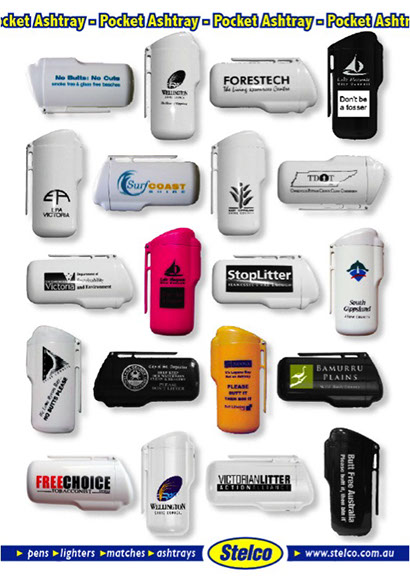
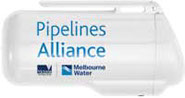
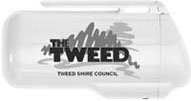
The examples here come from Stelco’s earlier work. They show different approaches to a small print surface: a business mark, a council identity and short campaign messages.
They are a starting point for your own brief. Current product options and the final layout are confirmed for each order.
Planning the whole campaign?
Printing is one part of the job. The way the ashtrays are offered, the explanation people receive and the follow-up all deserve a place in the plan.